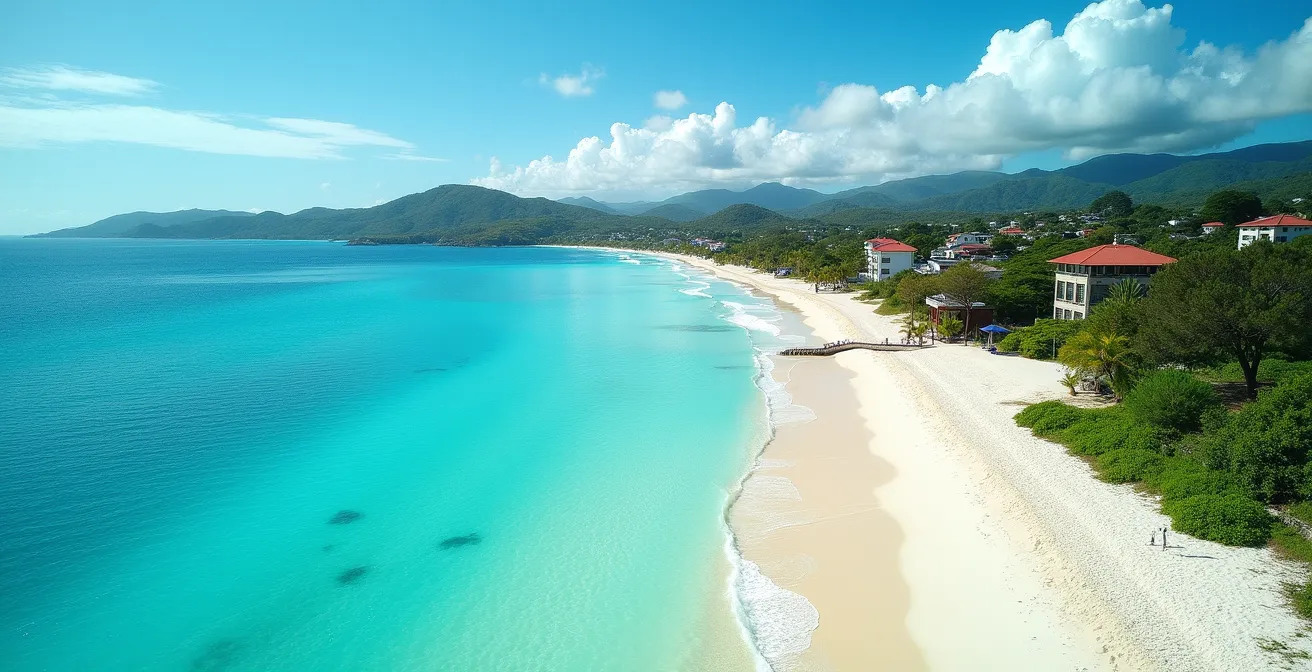
Okinawa offers a fundamentally different and higher quality vacation experience than Bali, rooted in its unique culture and approach to nature.
- Its distinct Ryukyu heritage provides a deeper, more authentic cultural immersion than typical tourist destinations.
- A philosophy of “curated nature” and “systemic serenity” ensures unparalleled safety and cleanliness, from its beaches to its food.
Recommendation: For a truly restorative and unique escape that engages both mind and body, choose Okinawa’s unparalleled blend of adventure and wellness.
When planning that perfect summer escape, the name ‘Bali’ often echoes with promises of sun-drenched beaches, vibrant nightlife, and spiritual retreats. It’s the default postcard destination for many. But what if the search for a truly restorative and unique beach experience leads you further north, to a place where safety, cleanliness, and cultural depth aren’t just marketing buzzwords, but the very fabric of the destination? Welcome to Okinawa, Japan’s subtropical paradise.
The choice between Okinawa and Bali isn’t just about comparing coastlines or cuisines. It’s a choice between two entirely different vacation philosophies. While Bali offers a world of spontaneous adventure, it can sometimes feel chaotic. Okinawa, in contrast, presents what can be called “systemic serenity”—an environment where thoughtful infrastructure and a deep-rooted culture of respect create a seamless, worry-free experience. This isn’t about restriction; it’s about curation.
This guide moves beyond the surface-level comparisons. We will decode the unique quality of an Okinawan vacation, exploring how its independent history, its unique approach to wellness, and its profound respect for nature create an intentional immersion that Bali often can’t match. It’s time to discover why your next summer trip might be better spent trading the crowds of Kuta for the pristine, curated tranquility of the Ryukyu Islands.
To help you understand this fundamental difference, this guide breaks down the key aspects of an Okinawan journey, from its climate and culture to its distinct outdoor activities and wellness practices.
Summary: Why Okinawa is the Ultimate Alternative to Bali
- How Okinawa’s Subtropical Climate Affects Your Packing List
- How to Explore Miyakojima If You Don’t Drive?
- Ryukyu vs. Yamato: Understanding the Unique Island Culture
- The Marine Hazard Tourists Ignore While Snorkeling in Ishigaki
- Kerama or Yaeyama: Which Island Group Fits Your Snorkeling Goals?
- Kansai vs. Kanto Flavors: Which Region Fits Your Palate Better?
- Towel or Naked: What Is the Protocol for Mixed Open-Air Baths?
- Hiking or Kayaking: Which Outdoor Activity Fits a 2-Week Trip?
How Okinawa’s Subtropical Climate Affects Your Packing List
Unlike the consistently hot climate of Bali, Okinawa’s weather has distinct seasons that require smart packing. As your guide, I’d say the key is preparing for a mix of glorious sun and sudden showers. The subtropical climate means high humidity is a constant, especially in summer (June-August), when temperatures hover around 30-32°C. For these months, think light: swimwear, rash guards for sun protection, and a high-SPF reef-safe sunscreen are non-negotiable. It’s also typhoon season, and while storms often pass quickly, a lightweight rain poncho is a lifesaver.
Autumn (September-November) is a fantastic time to visit. September still feels like summer, but by November, the air cools to a pleasant 25°C, and the humidity drops. You can still swim, but adding a light jacket for the evenings is wise. This season can still see significant weather events; for example, historical data shows an average rainfall of 208.5 mm in October. Winter (December-February) is mild, with temperatures between 15-20°C. Forget the heavy winter coat; a good sweater or light jacket over long pants is perfect for exploring the islands’ historical sites without the summer crowds.
Ultimately, packing for Okinawa is about layering. A rash guard protects you from the sun and minor jellyfish stings, a light jacket handles cooler evenings or aggressive air conditioning, and an umbrella or poncho keeps you dry during a passing shower. This preparedness is part of the Okinawan experience—being in harmony with nature’s rhythms.
How to Explore Miyakojima If You Don’t Drive?
One of the first things you’ll notice on Okinawa’s outer islands, like the stunning Miyakojima, is the relaxed pace of life. This extends to public transport. While a bus network exists, it’s not designed for the hurried tourist. Schedules are often sparse and fares can be surprisingly high, reflecting a system built for locals, not for rapid-fire sightseeing. Trying to rely solely on buses can be a frustrating experience if you’re on a tight schedule. But don’t worry, this is where the real island adventure begins.
The best way to embrace Miyakojima’s beauty without a car is to slow down and get closer to the scenery. Renting an electric bicycle is a fantastic option. The island is relatively flat, and an e-bike gives you the freedom to explore its famous white-sand beaches and epic bridges at your own pace, with a gentle boost for any inclines. You can feel the sea breeze and stop for photos whenever you wish. For longer distances or specific destinations, specialized tour operators and taxis are readily available and can be more efficient than waiting for an infrequent bus.

This transport reality is part of what sets Okinawa apart. It encourages a more intentional way of travel. Instead of rushing from point A to B, you’re invited to be present in the journey itself. This “slow travel” approach is a stark contrast to the moped chaos often found in Bali, offering a safer and more mindful way to connect with the landscape.
Ryukyu vs. Yamato: Understanding the Unique Island Culture
Here lies the most profound difference between a trip to Okinawa and one to Bali. While Bali has a rich culture, it’s often packaged for tourism. Okinawa offers an immersion into a culture that is proudly, distinctly, and historically separate from mainland Japan (known as Yamato). For a staggering 450 years, the Ryukyu Kingdom maintained its independence, trading not just with Japan but extensively with China and Southeast Asia. This unique history isn’t just a footnote; it’s the soul of the islands.
This heritage is visible everywhere, creating a deep sense of place. You see it in the vibrant colors of Bingata textiles, taste it in a cuisine that uses pork and unique vegetables more than mainland seafood, and feel it in the architecture of its castles. As the official tourism board highlights, this history is the key to the Okinawan identity.
Okinawa was the independent Ryukyu Kingdom with its own language and diplomatic ties to China, which is visible today in its architecture (Shuri Castle), textiles (Bingata), and cuisine.
– Visit Okinawa Japan, Official Okinawa Travel Guide
Choosing Okinawa is choosing to engage with this living history. It’s about more than just seeing temples; it’s about understanding a resilient culture that has maintained its identity against all odds. This provides a level of intentional immersion that is difficult to find in more globally-influenced tourist hubs. You aren’t just a visitor; you’re a witness to a unique chapter of human history, which makes the travel experience infinitely more rewarding.
The Marine Hazard Tourists Ignore While Snorkeling in Ishigaki
When people think of dangers in Okinawa, the famous Habu snake often comes to mind. But let’s put that myth to rest. With modern antivenom, habu snake bites have only a 3% fatality rate and are exceedingly rare for tourists to encounter. The real hazards for visitors are in the water, and they are often ignored. While the turquoise waters of Ishigaki look like paradise, they host a variety of venomous creatures like box jellyfish, cone snails, and fire coral.
This is where Okinawa’s “systemic serenity” shines. Unlike a “swim at your own risk” approach, the islands have a robust safety system in place. Most popular beaches are equipped with safety nets during the summer jellyfish season (June-October) and are monitored by lifeguards. Warning posters, often in both Japanese and English, clearly explain local marine hazards. This isn’t meant to scare you; it’s a sign of respect for both nature and the visitor. It’s about providing you with the knowledge to enjoy the ocean safely.
Following these local protocols is key to a safe snorkeling experience. This proactive approach to safety management creates a peace of mind that allows you to fully relax and appreciate the stunning underwater world, knowing that risks have been thoughtfully mitigated.
Your Marine Safety Checklist for Okinawan Waters
- Swim at Designated Beaches: Always choose beaches with safety nets and lifeguards, especially between June and October.
- Heed the Warnings: Take a moment to read the warning posters that detail local marine life and conditions.
- Use Reef-Safe Sunscreen: Certain chemicals in regular sunscreen can attract dangerous jellyfish; stick to reef-safe options.
- Be Aware of Your Surroundings: Look but don’t touch. Be mindful of venomous creatures beyond jellyfish, such as beautiful but dangerous cone snails and fire coral.
- Wear Protective Gear: A rash guard or wetsuit offers a good layer of protection against accidental stings from jellyfish tentacles.
Kerama or Yaeyama: Which Island Group Fits Your Snorkeling Goals?
So, you’re sold on Okinawa’s underwater paradise. The next question is: where exactly do you go? The two main island groups for world-class snorkeling are the Kerama Islands and the Yaeyama Islands. Your choice depends entirely on your travel style, time commitment, and what you want to see. Think of it as choosing between a perfect, concentrated dose of bliss and a grand, sprawling adventure.
The Kerama Islands are the epitome of a perfect day trip or short getaway from Naha, Okinawa’s main city. A high-speed ferry will get you there in 50-90 minutes. This group is famous for its unbelievably clear water, known as “Kerama Blue.” It’s ideal for beginners and families, offering stunningly beautiful and accessible coral reefs right off the beach. If your goal is pure beach relaxation and easy, breathtaking snorkeling without a major time investment, the Keramas are your answer.
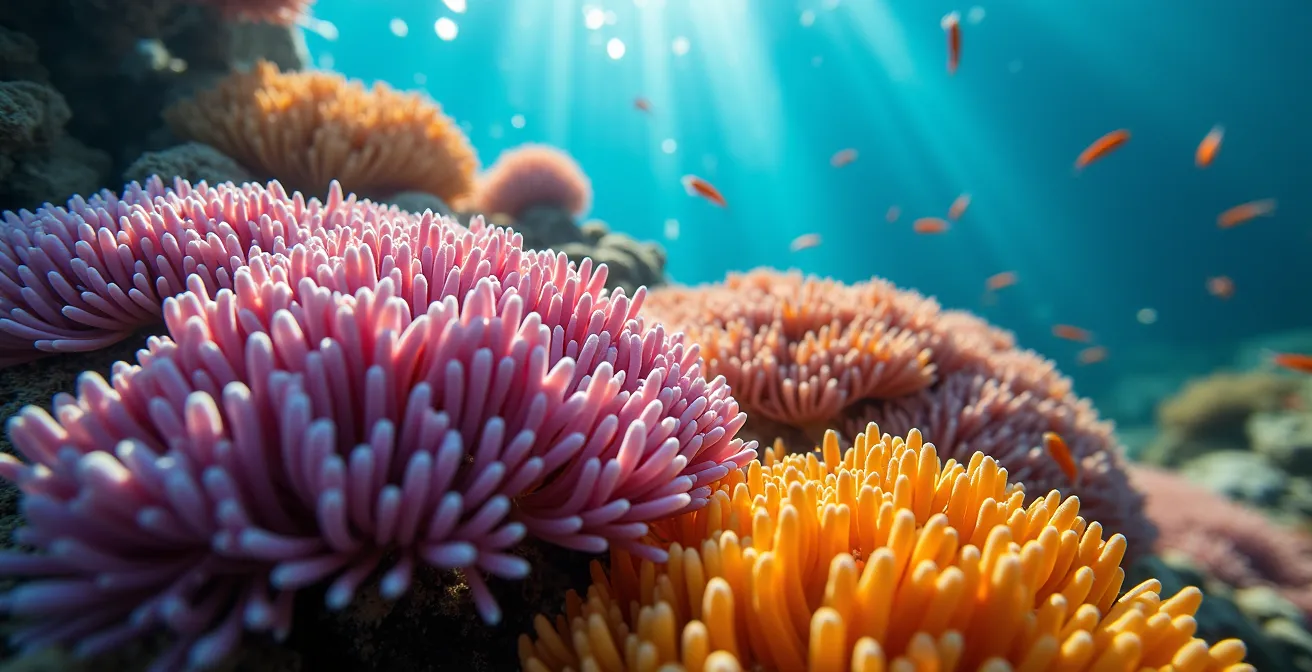
The Yaeyama Islands, on the other hand, are a destination in themselves. You’ll need to take a one-hour flight from Naha to Ishigaki, the hub of the Yaeyamas. This is the place for multi-day island-hopping adventures. The snorkeling and diving here are more diverse and suited to experienced adventurers, with famous sites to see manta ray migrations. Beyond the reef, islands like Iriomote offer jungle trekking and river kayaking. The Yaeyamas demand more time and planning but reward you with a richer, more varied expedition.
| Feature | Kerama Islands | Yaeyama Islands |
|---|---|---|
| Access from Naha | 50-90 minutes by high-speed ferry | 1-hour flight to Ishigaki |
| Best For | Day trips, families, beginners | Multi-day adventures, experienced divers |
| Key Attractions | World-famous ‘Kerama Blue’ water | Manta ray migrations, river ecosystems |
| Commitment Level | Perfect for quick beach getaway | Requires dedicated island-hopping time |
| Overall Vibe | Pure relaxation and beach bliss | Adventure with jungle trekking options |
Kansai vs. Kanto Flavors: Which Region Fits Your Palate Better?
When discussing Japanese food, the conversation often revolves around the regional differences between Kansai (Osaka, Kyoto) and Kanto (Tokyo). But here’s a crucial tip from your guide: when you’re in Okinawa, you can throw that entire conversation out the window. Okinawan food, or Ryukyuan cuisine, is a world unto itself.
Okinawan cuisine is a completely separate entity, heavily influenced by Chinese and Southeast Asian trade.
– Japan Travel Guide, Official Japan Tourism Organization
This isn’t just about different ingredients; it’s a different philosophy. While mainland Japanese cuisine often pursues epicurean perfection, Okinawan food is guided by the principle of “Nuchigusui,” which translates to “food as medicine.” This philosophy is a cornerstone of the island’s famous “Blue Zone” status, where people have some of the longest life expectancies in the world. The focus is on ingredients that provide health and vitality.
Okinawa’s Blue Zone Diet Philosophy
The “Nuchigusui” philosophy is evident in every Okinawan meal. Instead of a heavy reliance on rice and raw fish, the diet is rich in health-giving ingredients like goya (bitter melon), which is packed with vitamins; purple sweet potato, a powerful antioxidant; and mozuku seaweed, known for its unique texture and health benefits. This wellness-focused approach offers a stark contrast to both mainland Japan’s dining culture and the often indulgent (though delicious) food scene in Bali. Eating in Okinawa is part of the restorative experience, contributing directly to your well-being in a way that few other destinations can claim.
So, when you sit down for a meal in Okinawa, you’re not just eating; you’re participating in a centuries-old tradition of wellness. This makes the culinary journey here a form of self-care, a delicious way to recharge your body and soul.
Towel or Naked: What Is the Protocol for Mixed Open-Air Baths?
Visitors to mainland Japan often have questions about onsen (hot spring) etiquette. But in Okinawa, the conversation around bathing culture takes a different, more modern turn. The islands lack the volcanic geography for natural onsen. Instead, they have perfected a science-backed alternative: thalassotherapy. This is a core part of the Okinawan wellness experience, using heated, mineral-rich seawater for therapeutic treatments. It maintains the Japanese tradition of communal bathing but grounds it in the healing properties of the ocean.
This approach to wellness creates a different social dynamic compared to the private, villa-centric relaxation often found in Bali. Okinawan thalassotherapy spas are shared spaces, fostering a sense of community and quiet respect. In contrast, Balinese wellness often emphasizes private flower baths and individual spa treatments. The bathing culture also reflects a broader societal difference: Okinawan beach etiquette is more conservative, with strict designated swimming areas, whereas Bali’s beach culture is generally more relaxed. This is a perfect example of “curated nature,” where rules are in place to enhance safety and the collective experience.
This table gives a clear comparison of the two approaches to water-based wellness and etiquette, sourced from insights on the official Okinawa travel guide.
| Aspect | Okinawa | Bali |
|---|---|---|
| Beach Etiquette | Conservative swimwear, strict designated swimming areas | More relaxed beach culture |
| Wellness Style | Communal thalassotherapy spas | Private villa pools and flower baths |
| Marine Respect | Paramount – strict rules for marine life protection | Variable enforcement |
| Privacy Level | Japanese communal bathing tradition | Emphasis on private experiences |
Choosing Okinawa means opting for a unique, science-based form of wellness that connects you directly to the power of the sea in a shared, respectful environment. It’s less about private indulgence and more about communal well-being.
Key Takeaways
- Deeper Cultural Roots: Okinawa’s history as the independent Ryukyu Kingdom offers a unique and authentic cultural experience unavailable in more globalized destinations.
- “Systemic Serenity”: A proactive approach to safety and cleanliness, from managed beaches to food philosophy, creates a genuinely worry-free environment.
- Holistic Wellness: The “Nuchigusui” diet and thalassotherapy spas provide a restorative experience that integrates body and mind, going beyond simple relaxation.
Hiking or Kayaking: Which Outdoor Activity Fits a 2-Week Trip?
A common vacation dilemma is choosing between land-based or water-based activities. But in Okinawa, the best answer is: why choose? The islands are perfectly suited for a “Ridge to Reef” itinerary that combines the best of both worlds, creating a holistic adventure that connects you to the islands’ history and nature. This integrated approach is the ultimate expression of the Okinawan experience.
You can spend the first part of your trip on a ‘ridge’ adventure, hiking through history. Okinawa offers incredible trekking opportunities through its 9 UNESCO World Heritage sites, connecting the ancient castle ruins (known as gusuku) that dot the main island. These hikes aren’t just about the views; they are a journey through the heart of the Ryukyu Kingdom. Following these historical trails, you can then transition to the ‘reef’ portion of your trip. Spend your second week in the Yaeyama Islands, kayaking through Iriomote’s pristine mangrove forests or exploring the vibrant coral reefs that make the region famous.
This “Ridge to Reef” concept transforms a simple vacation into a cohesive narrative. It’s a journey from the mountains to the sea, from ancient history to vibrant marine life. A two-week trip allows you to fully embrace this rhythm, spending a week on historical ‘ridge’ exploration on the main island before island-hopping for a week of ‘reef’ adventures. This seamless blend of hiking and kayaking, history and nature, is what makes an Okinawan outdoor adventure so uniquely profound and satisfying.
So, when you’re planning your next summer escape, look beyond the usual and consider the deeper, more restorative journey that awaits. Start exploring your own “ridge to reef” adventure in Okinawa today.