Experiences & Activities
Japan offers travelers far more than standard sightseeing itineraries. Beyond the temples and cityscapes lies a world of immersive experiences that engage all the senses and challenge both body and mind. From the spiritual quietude of a traditional tea ceremony to the adrenaline rush of carving through Hokkaido’s legendary powder snow, these activities transform passive observation into active participation.
Understanding the nuances of these experiences—practical considerations like gear logistics, cultural etiquette, safety protocols, and timing—separates a superficial encounter from a genuinely transformative journey. This comprehensive resource introduces the essential categories of experiential travel in Japan, examining what makes each activity unique and providing the foundational knowledge needed to approach them with confidence and respect.
Whether you’re drawn to wellness traditions rooted in centuries of practice, seeking physical challenges in Japan’s dramatic mountain landscapes, or yearning to step beyond conventional tourist infrastructure, the depth of available experiences rewards those willing to prepare thoughtfully and engage authentically.
Why Choose Japan for Immersive Travel Experiences?
Japan’s geography and culture create exceptional conditions for travelers seeking meaningful engagement. The archipelago stretches from subarctic Hokkaido to subtropical Okinawa, offering climate diversity that supports drastically different activities within the same country. This geographical variety means winter sports enthusiasts and tropical beach explorers can both find optimal conditions without leaving Japanese borders.
Equally important is Japan’s cultural framework that elevates everyday activities into refined practices. The concept of kodawari—a relentless pursuit of perfection in one’s craft—means that whether you’re participating in a tea ceremony or renting ski equipment, you’ll likely encounter individuals who have dedicated decades to mastering their specialty. This depth of expertise enhances the quality of experiences available to visitors.
The infrastructure supporting these activities balances modern convenience with traditional authenticity. Mountain huts on Fuji’s slopes offer online booking systems while maintaining centuries-old hospitality practices. Hot spring towns feature therapeutic mineral waters discovered generations ago, now accessible via efficient rail networks. This combination allows travelers to pursue authentic experiences without sacrificing practical accessibility.
Winter Sports and Powder Snow Adventures
Northern Japan, particularly Hokkaido and the Northern Alps, attracts winter sports enthusiasts with snow conditions found nowhere else at similar latitudes. The region’s Siberian weather patterns produce exceptionally dry, light powder snow—locally called japow—that accumulates in remarkable depths throughout the season.
Selecting the right destination depends on your priorities. Niseko offers international infrastructure and extensive English signage, making it ideal for first-time visitors. Hakuba provides Olympic-caliber terrain with varied difficulty levels. Smaller resorts like Nozawa Onsen combine excellent skiing with authentic village atmosphere and natural hot springs for post-slope relaxation.
The gear versus rental decision involves several practical factors:
- Transportation logistics: Domestic flights and trains have specific equipment size restrictions
- Equipment quality: Rental shops in major ski areas stock current-season, well-maintained gear
- Customization needs: Advanced skiers with specific equipment preferences may prefer bringing their own
- Cost analysis: Multiple-week trips favor ownership; shorter visits make rentals economical
Timing matters significantly. January through early February typically offers the deepest snow accumulation, while late February through March provides more stable weather with still-excellent conditions. Off-piste skiing requires understanding avalanche risks and local regulations—hiring certified guides familiar with specific terrain is essential for safety in backcountry areas.
Traditional Cultural Ceremonies and Mindful Practices
The Japanese tea ceremony (chanoyu) represents one of the most accessible yet profoundly complex cultural experiences available to visitors. Far from simply drinking tea, this ritualized practice embodies Zen Buddhist principles of mindfulness, respect, and presence in every deliberate movement.
Understanding the spiritual core helps participants appreciate what might otherwise seem like unnecessarily formal procedures. Each gesture—how the host cleanses utensils, the specific angle of the tea bowl’s presentation, even the timing of consuming accompanying sweets—serves to focus attention on the present moment and honor the relationship between host and guest.
Proper guest behavior includes several key considerations:
- Arrive punctually and observe silence in waiting areas
- Admire the tea bowl by rotating it in your hands before drinking
- Consume sweets completely before tea is served
- Ask thoughtful questions about utensils or procedures after the ceremony concludes
Physical discomfort from seiza kneeling posture and restrictive traditional clothing concerns many first-timers. Many venues now accommodate Western visitors with chair seating or permission to shift positions. Wearing loose, modest clothing and removing jewelry that might damage delicate utensils demonstrates appropriate respect.
Venue selection affects the experience significantly. Temple settings offer historical authenticity and contemplative atmosphere. Modern tea houses may provide English explanations that enhance understanding. Some practitioners offer abbreviated demonstrations for tourists, while others conduct full traditional ceremonies—consider your interest level and time availability when choosing.
Natural Wellness: Hot Springs and Forest Bathing
Japan’s volcanic geology creates over 27,000 hot spring sources (onsen) with diverse mineral compositions offering specific therapeutic benefits. The practice of balneotherapy—healing through bathing—has been central to Japanese wellness culture for centuries, with different spring types addressing various health concerns.
The sensory experience of outdoor bathing (rotenburo) combines mineral therapy with nature immersion. Soaking in steaming water while snowflakes fall around you or watching autumn leaves drift past creates memorable moments. However, temperature management requires attention—outdoor air temperature contrasts with 40-42°C (104-108°F) water can stress the body if you remain submerged too long.
Cultural practices around modesty and tattoos present the most common concerns for international visitors. Traditional onsen prohibit tattoos due to historical associations with organized crime, though this is gradually changing. Solutions include:
- Researching tattoo-friendly establishments in advance
- Covering small tattoos with waterproof patches (available at Japanese pharmacies)
- Booking private family baths (kashikiri) that allow exclusive use
- Visiting during off-peak hours when public baths are less crowded
The bathing sequence matters for both health and etiquette. Shower thoroughly before entering communal baths. Begin with shorter soaking periods (5-10 minutes), exit to cool down, then repeat. This prevents dizziness from overheating. Post-bath traditions often include resting in designated areas while drinking water or mineral-rich tea to rehydrate—this recovery period enhances the therapeutic benefits.
Forest bathing (shinrin-yoku) complements hot spring therapy by emphasizing slow, mindful walking through wooded areas. This practice focuses on sensory engagement—noticing light patterns through leaves, breathing forest air rich in beneficial phytoncides, listening to natural soundscapes. Designated forest therapy trails throughout Japan offer optimal environments for this contemplative practice.
Mountain Climbing and High-Altitude Challenges
Mount Fuji’s iconic profile attracts over 300,000 climbers annually during the brief July-September season. This accessibility can mislead unprepared visitors—at 3,776 meters (12,389 feet), the mountain presents genuine altitude challenges despite well-maintained trails and mountain hut infrastructure.
Physical and logistical preparation should begin weeks before your climb. Cardiovascular conditioning helps, but altitude acclimatization cannot be trained at sea level. The ascent typically spans 5-7 hours from the fifth station (accessible by bus) to the summit, with the descent requiring 3-5 hours—longer than many anticipate due to loose volcanic gravel that makes downhill progress slow and hard on knees.
Altitude sickness affects climbers regardless of fitness level. Symptoms include headache, nausea, and dizziness, typically emerging above 2,500 meters. The most effective prevention is slow ascent with rest breaks. Mountain huts positioned every few hundred meters of elevation allow for strategic overnight stops that aid acclimatization, though booking these beds requires advance reservations during peak season.
Gear requirements for summer climbing include layered clothing (summit temperatures drop near freezing even in August), headlamps for summit-sunrise attempts, trekking poles for descent stability, and sufficient water—approximately 2-3 liters per person. Weather shifts rapidly, so waterproof outerwear is essential regardless of forecasts.
The phenomenon called “bullet climbing”—ascending from base to summit without overnight rest—significantly increases altitude sickness risk and diminishes the experience. This approach also concentrates climbers at the summit during sunrise, creating dangerous crowding on narrow sections. Spending a night on the mountain, though less comfortable, provides safer acclimatization and more contemplative engagement with the environment.
Adventure Travel Beyond Tourist Routes
Stepping outside established tourist infrastructure in Japan offers rewarding experiences but requires additional preparation. Language barriers intensify in rural areas where English signage and speakers become scarce. Basic Japanese phrases for emergencies, accommodation, and transportation become essential rather than merely courteous.
The Shimanami Kaido exemplifies well-designed adventure infrastructure—this 70-kilometer cycling route connects Japan’s main island to Shikoku via six smaller islands and elegant suspension bridges. Dedicated cycling paths, rental facilities, and luggage transfer services support multi-day journeys while the route itself passes through rural landscapes rarely seen by conventional tourists.
Wild camping regulations in Japan are more restrictive than in many Western countries. Designated campgrounds exist throughout the country, but camping on public land or private property without permission is generally prohibited. Some remote areas tolerate discreet overnight camping, but researching local regulations prevents legal issues and respects community standards.
Safety considerations for solo female travelers in Japan generally reflect the country’s low crime rates, but specific precautions apply to remote adventure activities:
- Share detailed itineraries with accommodation hosts or friends
- Carry offline maps and emergency contact information in Japanese
- Research local wildlife risks—bear encounters, though rare, require proper food storage in certain regions
- Maintain comprehensive travel insurance covering adventure sports and evacuation
Hitchhiking safety in Japan differs from many countries due to cultural factors. While generally safer than in Western contexts, language barriers complicate this transportation method. Digital translation apps help, but ensure your phone remains charged and consider hitchhiking only during daylight hours in areas with regular traffic.
Bear safety applies primarily to Hokkaido and certain mountainous regions. Carrying bells to announce your presence, making noise while hiking, and proper food storage at campsites reduce encounter risks significantly. Local visitor centers provide current information about bear activity in specific areas.
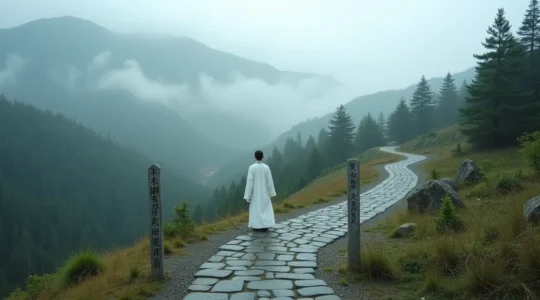
Shikoku Pilgrimage or Kumano Kodo: Which Trek Changes You?
The transformative power of a pilgrimage isn’t in the trail you walk, but in the friction you overcome; choosing between Shikoku and Kumano Kodo is choosing your crucible. The Kumano Kodo offers a structured, UNESCO-managed challenge with English support, ideal…
Read more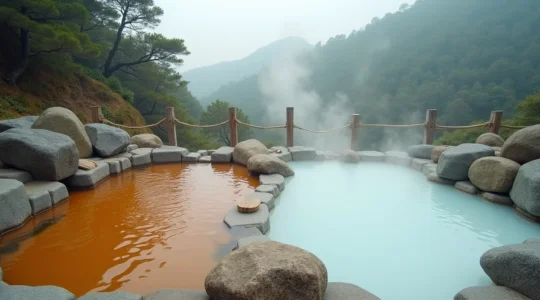
Sulfur vs. Iron Water: Which Onsen Type Best Heals Muscle Pain?
The true healing power of onsen water is determined by its specific mineral chemistry (sulfur vs. iron) and pH level, not just its temperature. Sulfur-rich, acidic waters are highly effective for chronic joint pain and skin conditions, acting as a…
Read more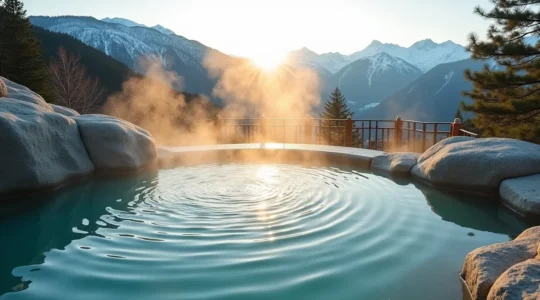
Snow Monkeys or Sea Views? Curating Your Perfect Rotenburo Experience
The greatest rotenburo experience isn’t found, it’s curated by understanding the aesthetic balance between opposing sensations. Instead of just chasing a famous view, consider the complete sensory profile: the sound of rain, the texture of the water, the contrast of…
Read more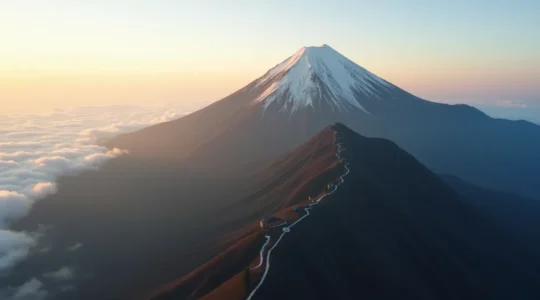
Yoshida or Fujinomiya: Which Trail Is Safer for Beginners?
Choosing the “safest” trail for Mt. Fuji is a dangerous misconception; success hinges on mastering the mountain’s non-negotiable rules, not the path you take. Altitude sickness is a physiological trap, not a sign of weakness, and requires strict hydration and…
Read more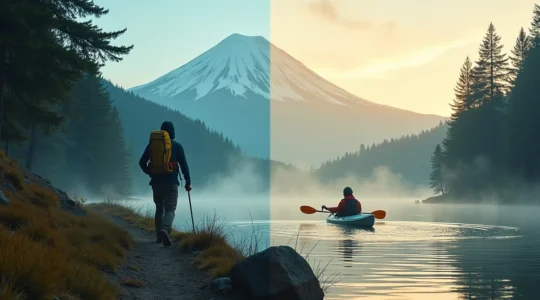
Hiking or Kayaking: Which Outdoor Activity Fits a 2-Week Trip?
The best Japanese outdoor adventure isn’t about choosing between hiking or kayaking—it’s about mastering the local logistics. Success hinges on understanding Japan-specifics like the ‘bell vs. spray’ bear debate and the cost-efficiency of ‘tebura’ (empty-handed) gear rentals. Proper planning, from…
Read more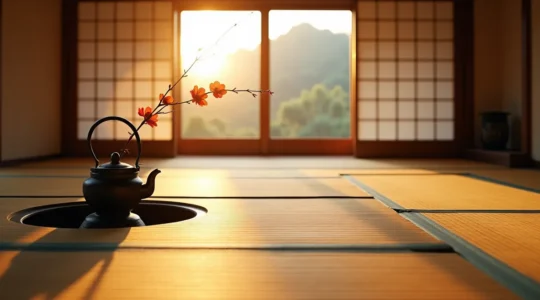
Is a 4-Hour Tea Ceremony Worth It for Casual Travelers?
Most travelers dismiss a four-hour tea ceremony as too long, but the real value isn’t the time it takes—it’s how the ritual transforms your perception of it. A long ceremony is not just about drinking tea; it’s an immersive narrative…
Read more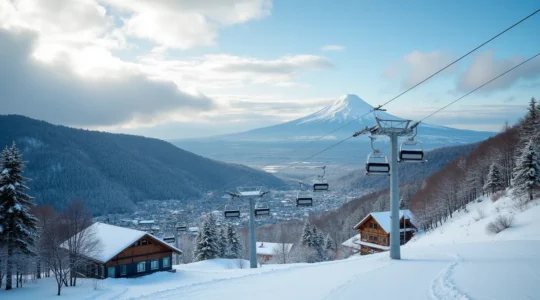
Niseko or Rusutsu: Which Hokkaido Resort Suits Your Ski Level?
Choosing between Niseko and Rusutsu is less about “nightlife vs. quiet” and more a technical decision about snow type, risk tolerance, and recovery strategy. Niseko offers vast, varied terrain and extensive backcountry access, but this comes with higher crowds and…
Read more