Discover Japan
Japan stands apart from other travel destinations not merely as a place to visit, but as an experience that fundamentally reshapes how you perceive travel itself. This archipelago nation weaves together contradictions with seamless grace: neon-lit megacities exist minutes away from silent mountain temples, cutting-edge technology coexists with thousand-year-old traditions, and the frantic energy of rush hour gives way to the meditative calm of a traditional tea ceremony.
For first-time visitors and seasoned travelers alike, understanding Japan requires more than pinning locations on a map. It demands an appreciation of rhythm, context, and cultural nuance. This comprehensive resource will equip you with the foundational knowledge to navigate Japan’s most compelling destinations, decode its seasonal patterns, master its transportation networks, and engage respectfully with its rich cultural fabric.
Understanding the Soul of Japan: Beyond the Postcard
The transformative power of Japanese travel lies not in ticking off landmarks, but in absorbing the atmospheric contrasts that define daily life. Picture standing in Shibuya Crossing as thousands surge around you in orchestrated chaos, then stepping into a nearby shrine where the only sound is gravel crunching beneath your feet. This juxtaposition isn’t accidental—it’s fundamental to Japanese spatial philosophy.
Ancient aesthetic principles like ma (negative space) and wabi-sabi (beauty in imperfection) continue shaping modern architecture, garden design, and even urban planning. When you notice a deliberately asymmetric flower arrangement in a ryokan lobby or encounter a carefully preserved crack in a tea bowl, you’re witnessing centuries-old values actively influencing contemporary life. These aren’t museum pieces—they’re living practices.
The greatest risk travelers face is rushing through Japan like a checklist, photographing temples without pausing to notice the incense scent or the way afternoon light filters through wooden lattices. Meaningful experiences emerge from intentional slowness: sitting in a rural onsen as snow falls, spending an entire afternoon in a single Kyoto garden, or sharing tea with a homestay host in the countryside.
Plan deliberate moments of reflection into your itinerary. This might mean scheduling a full morning with just one activity, choosing a traditional guesthouse over a business hotel, or simply sitting in a park observing daily life. Japan rewards those who resist the temptation to maximize every minute with deeper, more memorable encounters.
Essential Destinations: Where to Go and Why
Japan offers remarkable diversity across its islands, from subtropical beaches to alpine villages. Understanding the character of each region helps you allocate your time wisely and set appropriate expectations.
The Golden Route: Tokyo, Kyoto, and Osaka
The Tokyo-Kyoto-Osaka corridor forms the backbone of most first visits, and for good reason. These three cities offer complementary experiences: Tokyo delivers overwhelming scale and contemporary energy, Kyoto provides historical depth and traditional aesthetics, while Osaka brings culinary excellence and unpretentious warmth.
Tokyo’s 13 million residents navigate a train network so complex it resembles a circuit board, yet it operates with remarkable precision. Master a few key lines—Yamanote, Chuo, and Ginza—and you’ll access distinct neighborhood personalities from Harajuku’s youth fashion to Asakusa’s preserved merchant quarters. The real Tokyo reveals itself in micro-neighborhoods, each with its own rhythm and identity.
Kyoto presents a different challenge: balancing its extraordinary beauty against significant overtourism at famous temples. The solution lies in timing and selection. Arriving at Fushimi Inari before 7 AM transforms the experience from crowd management to genuine serenity. Meanwhile, hundreds of lesser-known temples offer equal beauty without the tour buses—the goal is distinguishing authentic must-sees from overhyped tourist traps.
Osaka’s Dotonbori district epitomizes sensory overload with its neon signs, canal-side crowds, and constant food aromas. Unlike Kyoto’s restraint, Osaka celebrates excess. Yet even here, safety remains exceptional—late-night exploration poses minimal risk compared to equivalent districts in other major cities.
Okinawa: Japan’s Tropical Alternative
Located closer to Taiwan than Tokyo, the Okinawan archipelago offers a distinctly different Japanese experience. The climate mirrors Southeast Asia more than mainland Japan, with beach weather extending from April through October. The historical Ryukyu Kingdom developed independently for centuries, creating cultural distinctions visible in local cuisine, language, and architecture.
Navigating Okinawa’s islands without a rental car proves challenging but manageable through strategic island selection. Ishigaki and Naha offer better public transport infrastructure, while remote islands like Iriomote reward the extra logistical effort with pristine coral reefs and minimal development. Be mindful of marine life risks—jellyfish seasonality and strong UV exposure require preparation that mainland travel doesn’t demand.
For travelers seeking beach relaxation within a Japanese context, Okinawa provides a compelling alternative to Thailand or the Philippines, with the infrastructure reliability and safety standards Japan is known for, combined with turquoise waters and white sand beaches.
Rural Japan: Authentic Encounters Beyond the Cities
The Japanese countryside offers an antidote to urban intensity, but requires different expectations. Transport infrequency means buses might run three times daily, and many establishments operate on cash-only bases. This isn’t backwardness—it’s a different pace of life that rewards adaptability.
Roadside stations called michi-no-eki function as community hubs, offering local produce, regional specialties, and rest facilities. They’re invaluable for road trippers and provide authentic glimpses into regional food culture. Homestay experiences in farming communities or mountain villages create connections impossible in hotels, though they require more Japanese language capability and cultural flexibility.
For adventurous travelers, exploring haikyo (abandoned places)—from closed mines to forgotten theme parks—reveals Japan’s relationship with impermanence and economic transformation. Always research legal access and safety considerations beforehand.
Timing Your Journey: Seasons and Special Experiences
When you visit Japan matters as much as where you go. Seasonal variations dramatically affect both weather conditions and cultural experiences available.
Cherry Blossom Season: Managing Magic and Logistics
The sakura bloom represents Japan’s most iconic natural phenomenon, yet it generates significant anxiety for travelers. The full bloom lasts merely days in any given location, and predicting exact timing months in advance proves impossible. Forecasts become reliable only weeks beforehand, making rigid planning risky.
Understanding bloom progression helps: southern regions like Kyushu peak in late March, Tokyo and Kyoto in early April, and northern areas like Hokkaido in early May. Late-blooming varieties extend the season—yaezakura flowers appear two weeks after the famous somei yoshino trees, offering a backup option.
Hanami party etiquette involves securing spots early (sometimes hours beforehand), removing shoes on tarps, and taking all trash with you. Yozakura (nighttime viewing) at illuminated spots like Meguro River offers a different atmosphere than daytime crowds. Weather remains the wildcard—wind and rain can strip petals overnight, compressing the viewing window further.
Crowd avoidance strategies include targeting weekday mornings, choosing lesser-known viewing spots in residential neighborhoods, or visiting during the earlier “three-parts bloom” stage when flowers are emerging but crowds haven’t peaked.
Climate Variations Across the Archipelago
Japan’s north-south span creates dramatic climate differences. While Tokyo enjoys mild spring weather, Hokkaido might still have snow, and Okinawa could already require air conditioning. Summer brings intense humidity to most regions, with the rainy season (tsuyu) affecting June and early July.
Autumn rivals spring for ideal travel conditions, offering comfortable temperatures, spectacular fall foliage, and fewer crowds than sakura season. Winter transforms mountain regions into world-class ski destinations while keeping Pacific coast cities relatively mild. Understanding these patterns helps you pack appropriately and set realistic expectations for outdoor activities.
Navigating Japan Like a Pro: Practical Mastery
Transport Strategies and Money-Saving Tips
Japan’s transportation infrastructure ranks among the world’s most efficient, but costs accumulate quickly without strategy. The famous JR Pass offers unlimited travel on most Japan Railways trains, including shinkansen (bullet trains), but makes financial sense only if you’re covering significant distances—typically at least a Tokyo-Kyoto round trip plus additional travel.
Regional passes often provide better value for focused exploration. The directional strategy matters: traveling from Tokyo toward Kyoto/Osaka, then potentially continuing west to Hiroshima, flows more naturally than backtracking. Luggage forwarding services (takkyubin) let you ship bags between hotels for roughly $15 per bag, eliminating the stress of navigating crowded trains with large suitcases.
Strategic stopovers break up long journeys productively. The shinkansen from Tokyo to Osaka takes 2.5 hours, but stopping in Hakone for onsen, Nagoya for cuisine, or Himeji for its castle transforms transit time into experiences. This approach also combats travel fatigue during intensive itineraries.
Within cities, prepaid IC cards (Suica or Pasmo) work on virtually all urban transport and many vending machines. Rush hour (7:30-9:00 AM and 5:30-7:30 PM) tests your tolerance for crowding—avoid traveling with luggage during these windows, and consider experiencing it once just to understand Tokyo’s scale.
The Art of Itinerary Planning
Effective Japan itineraries balance geographic logic with experiential variety. Grouping activities by location prevents wasting hours on transit—tackle all eastern Tokyo sites in one day, all western Tokyo sites another. This geographic structuring easily saves 2-3 hours daily.
The “must-see versus tourist trap” distinction becomes crucial during short trips. Fushimi Inari’s thousands of torii gates deliver a genuinely unique experience despite crowds. The Tokyo Skytree offers views comparable to cheaper observation decks. Research helps identify which famous spots justify their reputation and which can be skipped without regret.
Balancing modern and traditional sights maintains engagement—alternating between teamLab digital art installations and ancient temples prevents either aesthetic from becoming monotonous. The risk of itinerary overload is real: scheduling eight activities daily sounds ambitious but leads to exhaustion and diminished appreciation.
Build flexibility for unexpected discoveries. That interesting side street, the festival you stumbled upon, or the local who invited you for coffee often become trip highlights. Rigid minute-by-minute schedules prevent these serendipitous moments. Plan core activities but leave breathing room for spontaneity and rest.
Cultural Immersion: Etiquette, Food, and Meaningful Encounters
Respectful engagement with Japanese culture transforms you from tourist to thoughtful traveler. Basic etiquette knowledge prevents unintentional offense and opens doors to warmer interactions. Key principles include removing shoes when indicated, bowing slightly when greeting, speaking quietly on trains, and never tipping (it can genuinely cause confusion or offense).
Temple and shrine etiquette involves specific practices: purifying hands at the water basin, bowing before torii gates, and photographing only where permitted. Many sites display multilingual etiquette signs—reading them demonstrates respect and enhances your understanding of the space’s spiritual significance.
Food experiences offer profound cultural windows. Shojin ryori (Buddhist vegetarian cuisine) transforms simple vegetables into artistic multi-course meals, reflecting principles of mindfulness and seasonal awareness. Seeking it out requires effort—it’s rarely found in mainstream restaurants—but provides insight into Japan’s relationship between food, spirituality, and nature.
Homestay experiences in rural areas create person-to-person connections that hotels cannot replicate. Sharing meals with a family in the countryside, learning their regional dialect, or helping with seasonal farm work builds understanding beyond guidebook descriptions. These encounters demand cultural flexibility and basic Japanese phrases, but reward effort with authenticity and often lifelong friendships.
Remember that cultural immersion isn’t about becoming Japanese—it’s about approaching differences with curiosity rather than judgment, recognizing that alternative ways of organizing society offer valuable perspectives on your own cultural assumptions.
Japan’s greatest gift to travelers isn’t its temples, technology, or cuisine in isolation, but how it demonstrates that modernity and tradition can coexist, that efficiency and beauty aren’t contradictory, and that a society can be simultaneously reserved and warmly welcoming. Armed with practical knowledge and cultural awareness, you’re prepared to move beyond surface-level tourism into experiences that continue resonating long after you’ve returned home.

Glico Man: Your Guide to Conquering Osaka’s Neon Heart
In summary: The Glico Man isn’t just a photo op; it’s your central anchor point for navigating Dotonbori’s chaos. Mastering local “social codes” (escalator etiquette, avoiding touts) is key to a smooth experience. Plan your visit strategically: weekdays are less…
Read more
6 AM or 6 PM: When Is the Bamboo Grove Actually Empty?
The secret to a crowd-free photo in Arashiyama isn’t a specific time, but a series of strategic decisions made before you even arrive. Success comes from navigating crowd flow, not just avoiding peak hours. Paying for entry to adjacent sites…
Read more
Bus or Bike: What Is the Most Efficient Way to See Kyoto?
The one-day bus pass isn’t your key to Kyoto; it’s a ticket to the city’s worst traffic jams and most crowded sights. Cycling allows you to bypass tour bus schedules, access tranquil temples, and explore residential areas where authentic Kyoto…
Read more
Crossing the Scramble: How to Get the Perfect Shot Without Dying?
Getting the perfect shot at Japan’s iconic spots isn’t about luck; it’s about insider knowledge that separates you from the tourist hordes. Decode the specific fashion scenes of Shibuya’s main towers to match your vibe. Learn to spot and avoid…
Read more
East vs. West Tokyo: A Strategic Planner’s Guide to Choosing Your Base
The best Tokyo base isn’t about choosing East or West; it’s about mastering the city’s operational systems for maximum efficiency and experience. Analyze Tokyo as three core infrastructures: transit flow, vertical space, and subterranean networks. Cluster your daily activities along…
Read more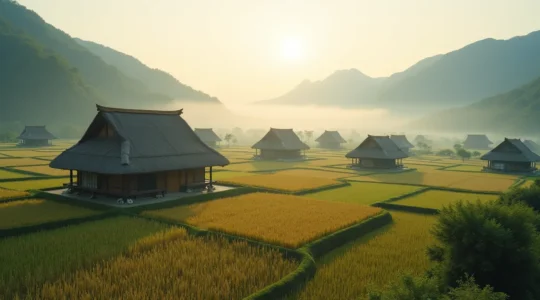
Why Your Trip to Rural Japan Is a Lifeline for Its Villages
In summary: Rural Japan faces a severe depopulation crisis (*kaso*), threatening local economies and cultural heritage. Conscious travel choices directly support these communities, turning your visit into a meaningful act of revitalization. Embracing “inconveniences” like infrequent buses and cash-only shops…
Read more
Japan’s Golden Route: A Logistics-First Guide to Maximizing Your Time
The efficiency of your Golden Route trip depends less on your itinerary and more on your logistical strategy. A 7-day Japan Rail Pass is rarely cost-effective for a one-way Tokyo-Kyoto-Osaka trip after the recent price hikes; single tickets are usually…
Read more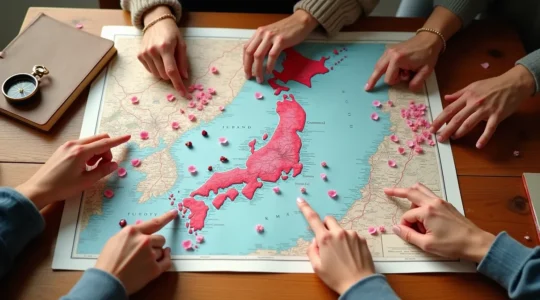
Forecasts vs. Reality: A Meteorologist’s Guide to Successfully Chasing the Sakura Front
Successfully viewing cherry blossoms isn’t about luck or a perfect forecast; it’s about building a flexible, data-driven itinerary designed to pivot. Peak bloom is a volatile, 5-10 day window. Relying on a single location and date is a high-risk strategy….
Read more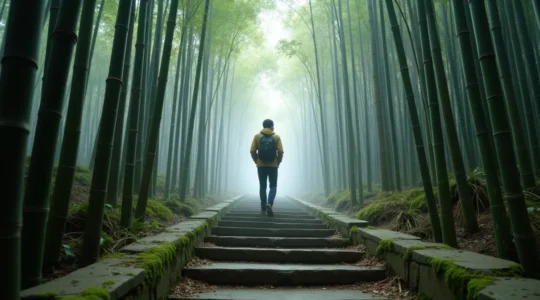
10 Days in Japan: What to Skip to Avoid Burnout?
The primary cause of Japan travel burnout is not an overly ambitious checklist, but a failure to account for the hidden ‘time taxes’ of inefficient transit, sensory overload, and poor pacing. Most itineraries underestimate the 6-7 hours consumed by a…
Read more
Why Choose Okinawa Over Bali for Your Next Summer Escape?
Okinawa offers a fundamentally different and higher quality vacation experience than Bali, rooted in its unique culture and approach to nature. Its distinct Ryukyu heritage provides a deeper, more authentic cultural immersion than typical tourist destinations. A philosophy of “curated…
Read more