Accommodation & Transportation
Traveling through Japan presents a unique convergence of ancient customs and cutting-edge efficiency, nowhere more evident than in how people sleep and move through the country. The accommodation landscape ranges from futuristic capsule pods to centuries-old temple lodgings, while the transportation network combines punctuality measured in seconds with unwritten social rules that can perplex newcomers. Understanding these systems isn’t merely about logistics—it’s about respecting a culture where collective harmony shapes every public interaction.
This intersection of tradition and innovation creates specific challenges for visitors. A simple train ride involves silent carriages and platform choreography. Checking into a traditional inn means navigating dress codes and sleeping arrangements foreign to Western hotel experiences. Even walking through a doorway requires understanding which footwear belongs where. The following sections break down these essential elements, providing the cultural context and practical knowledge needed to move confidently through Japan’s accommodation and transportation systems.
Understanding the Cultural Codes of Japanese Public Transit
Japan’s public transportation operates on a foundation of collective consideration that extends far beyond printed regulations. The efficiency that allows trains to run within 30-second windows depends partly on technological precision, but equally on millions of passengers following unspoken behavioral norms.
The Etiquette of Silence and Space
The auditory environment on Japanese trains and buses differs markedly from transit systems elsewhere. Phone conversations are considered disruptive to the shared space, with cultural reasoning rooted in the concept of meiwaku—the avoidance of causing inconvenience to others. Passengers routinely exit carriages or move to vestibule areas when receiving urgent calls, treating the transit cabin as a semi-public living room rather than an anonymous corridor.
This extends to entertainment and communication. Headphone noise leakage draws disapproving glances, as the sound breach represents the same spatial intrusion as a loud conversation. Text messaging replaces calls, and many travelers develop alternative communication methods like scheduling callbacks or using messaging apps to handle matters that arise during commutes.
Managing Your Devices Responsibly
The practical implementation involves setting devices to silent mode before boarding—not vibrate, which can still create audible buzzing against surfaces. Observe during rush hour and you’ll notice an almost theatrical silence despite carriages packed to capacity. This isn’t enforced through announcements or penalties, but through the powerful mechanism of social conformity and mutual respect that governs much of Japanese public life.
Decoding Japan’s Unique Accommodation Landscape
Japanese lodging defies simple categorization. The options range from spaces barely larger than a coffin to elegant rooms where every detail reflects aesthetic philosophy. Understanding these choices means recognizing that accommodation often offers an experience rather than merely a bed—each type serving different traveler needs and budgets.
Space-Efficient Modern Options
Capsule hotels originated as pragmatic solutions for businessmen who missed last trains, evolving into a distinctive accommodation category. The reality involves sleeping pods typically measuring 2 meters long by 1 meter wide and high—enough to sit up but not stand. Shared facilities including bathrooms, lockers, and common areas reduce costs dramatically, though privacy-conscious travelers should note the thin walls and curtain-only closures.
Internet cafes have similarly transformed into informal budget lodging. Many locations offer overnight packages with reclining chairs, blankets, and unlimited beverages. While not designed for multi-night stays, they provide viable emergency options when hotels book solid during peak seasons. Love hotels, despite their romantic reputation, also function as short-stay accommodations with hourly and overnight rates, though booking procedures and exterior discretion reflect their primary purpose.
Traditional and Cultural Stays
Temple stays (shukubo) operate on rigid schedules aligned with monastic routines. Guests might participate in morning prayers at 6 AM, eat vegetarian Buddhist cuisine, and retire by 9 PM. These aren’t hotels with religious themes—they’re functioning religious institutions that host visitors, requiring respect for spiritual practices and communal rhythms.
This experiential approach reaches its fullest expression in traditional inns, where the accommodation itself becomes the destination. The structures, protocols, and expectations differ so fundamentally from Western hotels that they merit dedicated attention.
Mastering the Japanese Rail Network
Japan’s rail system represents perhaps the world’s most sophisticated passenger network, but complexity accompanies that sophistication. The high-speed Shinkansen alone offers multiple service levels with different stopping patterns, requiring strategic choices to optimize travel time.
High-Speed Rail Fundamentals
The difference in train speeds proves substantial: the fastest Nozomi service from Tokyo to Osaka takes approximately 2.5 hours, while the all-stops Kodama requires nearly 4 hours covering the same distance. Understanding these distinctions prevents accidentally booking a local service for a long-distance journey. Station bento culture adds a culinary dimension to rail travel—ekiben (station boxed meals) vary by region, with certain stations famous for specific local specialties available only on platforms or from passing vendors.
Luggage logistics require planning. The oversized luggage rule mandates advance reservation for bags exceeding specific dimensions, typically suitcases larger than carry-on size. Without reserved luggage space, large bags must fit in overhead racks designed primarily for smaller items, creating awkward situations during crowded boarding periods.
Booking and Boarding Essentials
Booking methods range from ticket machines (with English interfaces at major stations) to online systems and travel agencies. Reserved seats provide guaranteed space and specific amenities: seat spacing varies by class, with Green Car offering substantially more legroom. Power outlets appear increasingly standard on newer trains but remain inconsistent on older rolling stock. Smoking rooms exist on some services in designated cars, though trends favor entirely smoke-free trains.
Connection times must account for platform navigation and transfer distances. Major stations like Shinjuku or Osaka span multiple levels and hundreds of meters between platforms. Timing platform arrival becomes crucial during peak periods, as some trains fill completely during their brief station stops.
Traditional Inn Protocols and Expectations
Ryokan represent the accommodation type where cultural knowledge matters most intensely. These traditional inns operate on rigid schedules and expectations rooted in hospitality traditions spanning centuries. Misunderstanding protocols doesn’t merely cause awkwardness—it can disrupt carefully orchestrated service for all guests.
Dress Codes and Sleeping Arrangements
The yukata (light cotton kimono) provided in rooms serves as standard attire for moving through the inn, including visiting public baths, dining areas, and even stepping briefly outside. Wearing it correctly involves specific folding—left side over right for living people—and appropriate undergarments. Staff prepare futon bedding while guests dine, transforming the multi-purpose room from living to sleeping space. Sleeping on futons requires no special technique, though Westerners accustomed to elevated beds sometimes find the floor-level sleeping position unusual initially.
Dining and Departure Etiquette
In-room dining etiquette involves recognizing the kaiseki meal presentation as a choreographed experience. Courses arrive in specific sequences, with room attendants timing entries carefully. The elaborate service raises questions about tipping the room attendant—a practice that can actually cause offense. Japanese service culture includes excellence as baseline expectation rather than extra effort warranting additional payment.
Checking out procedures typically occur by a set morning time, often 10 AM. The formality level remains high through departure, with staff sometimes lining up to bid farewell to departing guests. This ceremonial attention to beginnings and endings reflects the broader cultural emphasis on transitions and thresholds.
The Shoe Removal System Explained
Navigating Japanese spaces requires understanding the distinct zones defined by flooring type and threshold markers. This system applies in traditional accommodations, many restaurants, temples, and private homes, making it essential knowledge beyond just hotels.
The Japanese entrance (genkan) creates a clear elevation difference between the outdoor shoe area and the interior floor. Shoes come off before stepping up to the raised interior level—never while standing on the raised floor itself. Hygiene and respect in traditional settings demand this separation between outside dirt and inside cleanliness. Socks become mandatory; walking barefoot through shared spaces is considered poor form.
Slippers complicate matters through room-specific rules. Indoor slippers provided for hallways and common areas must be removed before entering tatami mat rooms, as the woven surface damages easily under hard soles. Separate toilet slippers wait outside bathroom doors—changing into them before entering, then immediately changing back upon exiting. Handling shoes in public lockers at temple entrances or traditional restaurants follows similar logic: store street shoes securely, wear provided or no slippers on sacred or tatami surfaces.
The system’s complexity decreases with practice, but initial encounters require conscious attention. Navigating tatami without damage means avoiding dragging heavy bags, removing slippers, and walking gently to preserve the delicate surface fibers that can cost significantly to replace.
Navigating Cities Beyond the Trains
Major rail networks solve long-distance and primary urban transit, but the “last mile” problem persists in dense urban areas. Getting from stations to actual destinations requires additional transportation layers, each with specific characteristics in the Japanese context.
Uber availability remains limited compared to Western cities, with traditional taxi systems dominating street-hail and phone dispatch services. The taxi infrastructure works reliably but expensively, making it a premium option rather than routine transport. Bus complexity reaches its peak in cities like Kyoto, where comprehensive networks serve tourists and residents through route systems that can bewilder newcomers. Bus maps require study, and payment methods vary—some require exact fare while others accept IC cards.
Bike rental services have modernized through systems like Luup and Docomo bike-sharing, offering electric-assist bicycles accessible through smartphone apps. These solve many short-distance gaps economically, though navigating pedestrian-priority streets requires attention to local cycling rules. Walking distances factor significantly in Japanese urban planning—many destinations cluster near stations specifically because walking represents the expected final leg for most journeys.
Rush hour survival becomes necessary knowledge for anyone traveling during commuter peaks. Morning trains from 7:30-9:00 and evening services from 17:30-19:00 can reach capacities where station staff physically push passengers into carriages. Platform markings indicate where doors will open, and queuing discipline ensures orderly boarding despite the crowds. Avoiding these periods when possible, or at minimum avoiding major transfer stations during peak times, significantly improves the experience for those unaccustomed to Tokyo or Osaka rush density.
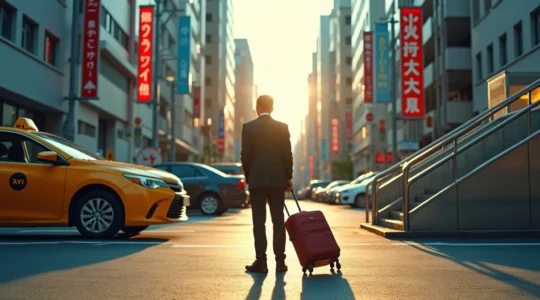
Taxi or Subway: When Is the Cab Fare Worth the Cost in Tokyo?
The smartest way to get around Tokyo isn’t always the cheapest; it’s about calculating the ‘Cost-of-Hassle’ for every trip. The subway is efficient for long distances but creates “last mile” problems and high stress during peak hours. Taxis and ride-hailing…
Read more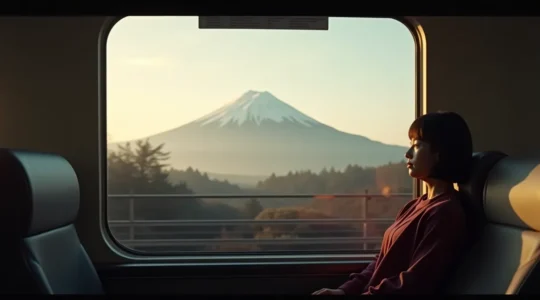
Tokaido or Hokuriku: Which Shinkansen Line Offers Better Views?
The best Shinkansen view isn’t just Mt. Fuji or the Alps; it’s the one you engineer through total mastery of the travel experience. True comfort is a calculated choice based on journey duration and personal value, not just an expensive…
Read more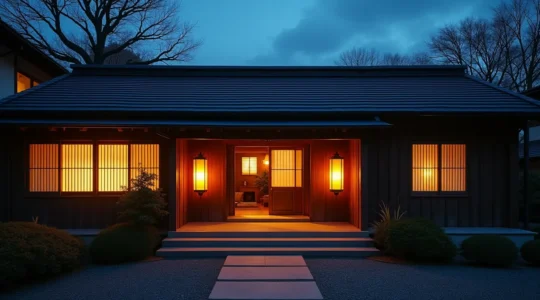
A Guide to Ryokan Schedules: From Curfews to Kaiseki Dinners
Contrary to the common fear that a ryokan’s strict schedule is a list of inconvenient rules, the truth is far more profound. This guide reveals that the rigid timing for dinners, baths, and checkouts is not a restriction on you,…
Read more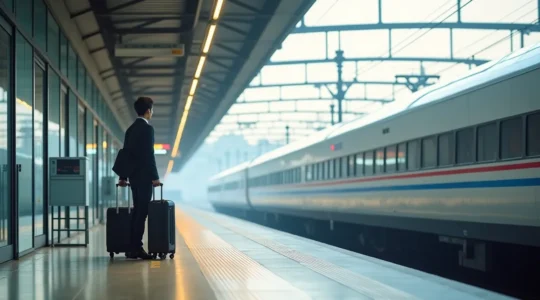
A Logistician’s Guide to Reserving Oversized Luggage on the Shinkansen
In summary: Luggage with total dimensions of 161-250cm requires a mandatory, free reservation for a specific “oversized baggage” seat. Failing to reserve results in a 1,000 yen on-the-spot fee and forces you to move your luggage to a conductor-designated area….
Read more
Capsule Hotels or Temple Stays: Which Weird Sleep Fits Your Vibe?
Choosing a unique Japanese stay is less about budget and more about matching your personality to the cultural experience. Capsule hotels and manga cafes test your need for personal space in the name of ultimate efficiency. Temple stays and ryokans…
Read more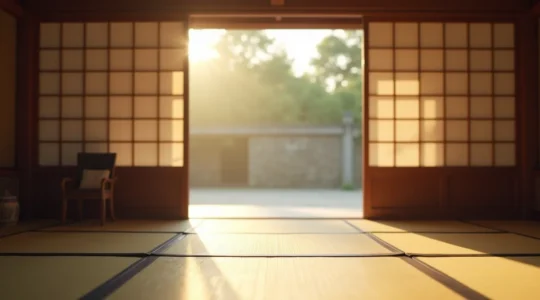
Shoes Off: Where to Draw the Line Between Genkan and Tatami?
Japanese shoe etiquette isn’t just about politeness; it’s a physical ritual for maintaining a sacred separation between the ‘pure’ inside and ‘impure’ outside. The genkan divider is a critical boundary, not just a step. Crossing it with shoes on is…
Read more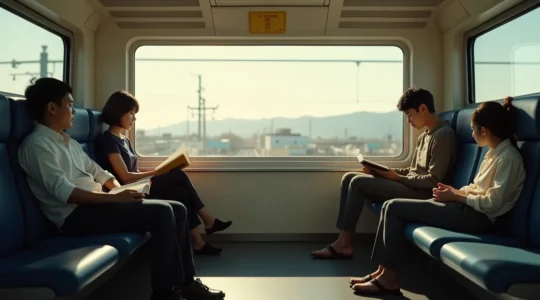
Why Silence on Japanese Trains Is Golden and How to Cope
The pervasive quiet on Japanese trains is not a passive cultural habit; it is an active, non-negotiable system for managing personal space in hyper-dense environments. Making a phone call is considered a direct intrusion into the shared, public “auditory space.”…
Read more